The interest of many in the scientific community is evident. It’s not hard to see why the BPC-157, TB-500, and GHK-Cu Peptide Blend has caused quite a stir among science enthusiasts due to its unique effects on tissue repair, cellular regeneration, and the entire recovery process. In a strategic alliance, we effectively combine three peptides—BPC-157, TB-500, and GHK-Cu—that have been extensively researched to produce an original blend meticulously crafted to support and powerfully drive a variety of natural pathways corresponding to healing processes unique to life. This is what is meant when researchers and professionals in the field of peptides seek to understand the dynamics of the BPC-157, TB-500, and GHK-Cu Peptide Blend.
Each peptide brings its own characteristics to the table, and when combined, they offer a broader spectrum of actual and potential advantages than can be obtained through solo treatments. This article will delve into the nature of this unique peptide blend and its role in biological functions, as well as why it has gained such rapid popularity in the world of scientific research, with peptides as its main tool.
BPC-157, TB-500, and GHK-Cu Peptide Blend Profiles
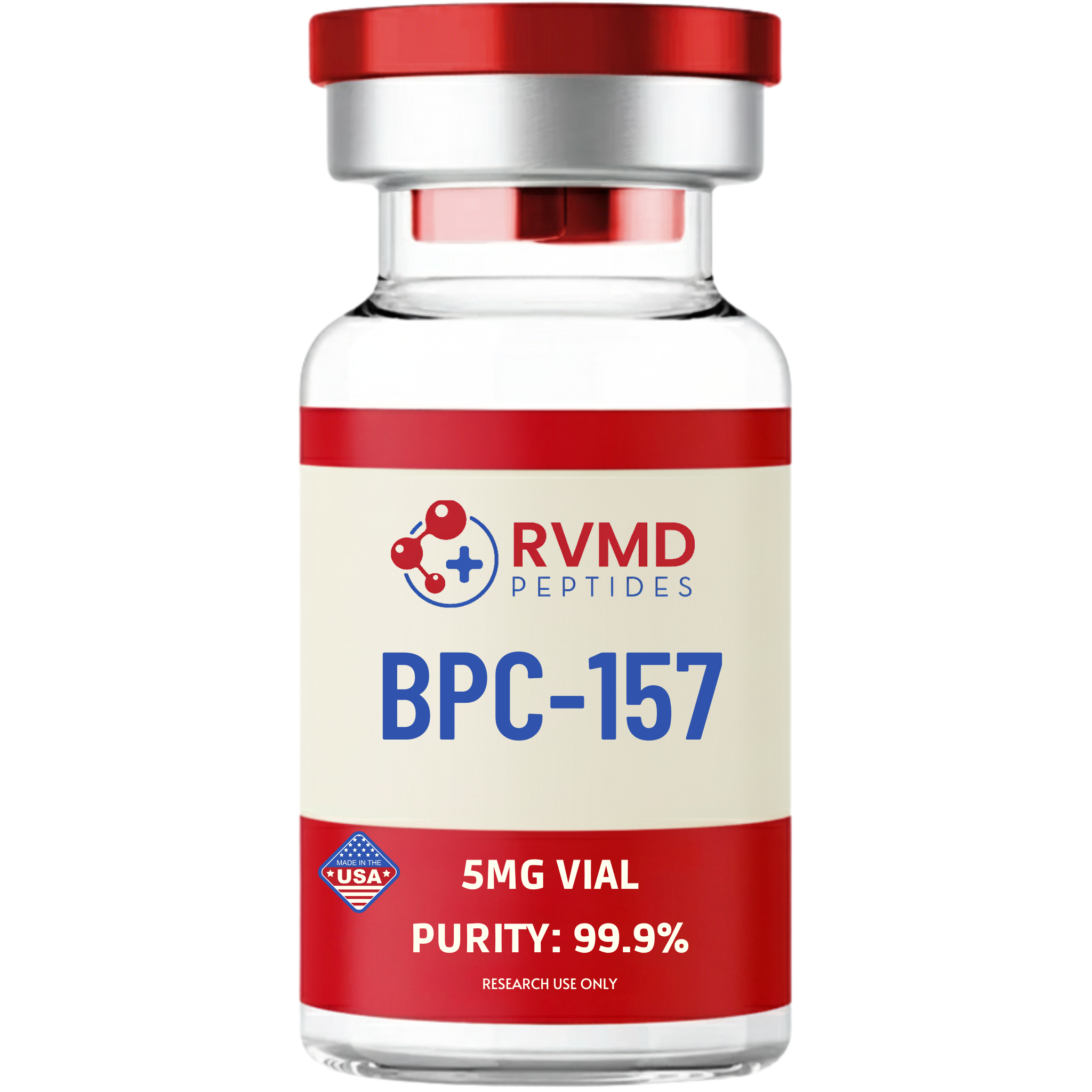
The BPC-157, TB-500, and GHK-Cu Peptide Blend is a combination of three peptides that have been well-studied for their regenerative effects.
BPC-157 (Body Protection Compound-157) is a peptide derived from a protective protein found in the stomach. Many research papers have been written about its potential to support tissue repair and protect gastrointestinal health.
Synthesized from Thymosin Beta-4, TB-500 is a synthetic form of this naturally occurring peptide. Its main role is to assist cell migration and repair injured tissues. It can also heal injured muscles faster than normal, although the exact mechanism remains unclear.
Copper-binding peptide GHK-Cu is a naturally occurring element in human plasma. Many studies have investigated its remarkable ability to stimulate dermal regeneration, increase collagen production, and promote wound healing.
If all three of these peptides are combined into a single mixture at doses that complement rather than cancel each other’s effects, it could yield an array of benefits: muscle recovery, tissue repair, skin health, and cellular renewal.
Potential Benefits of the BPC-157, TB-500 & GHK-Cu Combination
One key reason for the increasing interest in the BPC-157, TB-500, and GHK-Cu combination is the possibility of synergy. Researchers are exploring various potential benefits derived from these three peptides working together, including:
- 1. Better Wound Healing: Both BPC-157 and TB-500 are frequently studied for their roles in tissue healing and regeneration. When combined, they provide vital support for the recovery of muscles, tendons, and ligaments following physical stress.
- Skin and Collagen Production Support: GHK-Cu is well known for its capacity to stimulate collagen production and enhance skin health. When included in a peptide blend, it may significantly contribute to improved skin regeneration and more favorable wound healing results.
- Cellular Regeneration: Each peptide in this blend plays a vital role in cell signaling and repair mechanisms. Together, these peptides might promote cellular renewal and help maintain a clean environment in the body.
- Recovery After Physical Stress: Many peptide specialists are aiming to study this combination in research focused on recovery, mobility, and tissue resilience following periods of demanding physical exercise or labor.
The blend of peptides is an area of growing interest for the research community, as different peptides can target unique biological pathways.
The BPC-157, TB-500, and GHK-Cu Peptide Blend has garnered attention for its ability to:
– Encourage cellular regeneration
– Stimulate collagen production
To understand: Healing research is currently conducted differently than traditional wound care education.
For muscle recovery pathways, this combination of multiple peptides and the free radical scavenger STH, along with various antioxidants, helps provide benefits from different angles. This should serve as a model transforming the way we think about this kind of research going forward.
Common Questions About BPC-157, TB-500, and GHK-Cu Peptide Blend
Peptide professionals and researchers often have various questions regarding peptide usage. Here are some frequently asked questions to guide you in your research pursuits.
- Purity and Quality of Research: High-quality peptide research products are typically produced under stringent standards for purity and in controlled laboratories that undergo rigorous testing to maintain high workmanship. This way, scientists can achieve consistently reliable results through their research efforts.
- Storage and Handling: Peptides usually need to be stored under proper conditions of temperature, humidity, and light to maintain their potency. Most are stored in a cool, dry place and may require refrigeration after reconstitution to avoid losing their activity.
- Applications for Research: This peptide blend is frequently studied in areas related to tissue repair, healing mechanisms, and metabolic pathways for skin regeneration.
- Responsible Research Use: It is important to emphasize that peptide products purchased from suppliers specifically for scientific testing should remain within their proper laboratory environment and not be ‘diverted’.
The Advantage of a Multi-Peptide Approach
Even with single peptides, important insights can be gained for research. Conversely, scientists can explore multiple biological processes simultaneously using studies of the same phenomenon, such as combining BPC-157, TB-500, and GHK-Cu for concurrent investigations.
For example:
– BPC-157 may assist with both gastrointestinal treatment and tissue repair processes.
– TB-500 facilitates cell movement and recovery processes.
– GHK-Cu boosts collagen production and aids skin regeneration.
Together, multiple peptides represent another avenue of experimentation that has captured researchers’ attention. In fact, these triplexes are increasingly used in numerous experiments.
As the study of peptides continues to advance, multi-peptide formulations are becoming an indispensable core of ongoing research and fresh ideas.
the BPC-157, TB-500, and GHK-Cu Peptide
Within the field of peptides, the BPC-157, TB-500, and GHK-Cu Peptide Blend is a breakthrough. By combining three agents known for their wound healing properties and their supportive roles in healing activities, this blend offers a unique opportunity to exploit these pathways simultaneously.
From tissue repair and collagen growth to cellular regeneration, recovery science specialists are keenly interested in unlocking the complexities of regenerative biology through the BPC-157, TB-500, and GHK-Cu Peptide Blend.
There is no doubt that such mixtures are essential in studying how compounds can support the body’s natural repair processes.
Frequently Asked Questions (FAQ)
- What is the BPC-157, TB-500, and GHK-Cu Peptide Blend used for?
In scientific research, this blend is increasingly being studied due to its diverse qualities and potential applications.
- How do BPC-157, TB-500, and GHK-Cu work together?
Each of these peptides targets unique biological pathways. Specifically, BPC-157 emphasizes the role of the cell matrix in tissue protection. BPC-157 is usually provided as a dietary supplement and can be delivered via intravenous injection. TB-500 can also be injected to enhance muscle repair and speed recovery, while GHK-Cu is believed to naturally occur in human blood, with similar regenerative properties.
- Is the BPC-157, TB-500 and GHK-Cu Peptide Blend safe?
Peptides supplied by research vendors are normally intended only for laboratory research and should never be used outside controlled research environments.
- How should peptide blends be stored?
Most peptide blends should be kept in a cool, dry environment and refrigerated after reconstitution to maintain their stability and effectiveness.
- Why are peptide blends popular in research?
One of the greatest advantages is that multiple biological effects can be studied simultaneously with peptide blends, potentially leading to a much more comprehensive understanding of regenerative medicine processes.