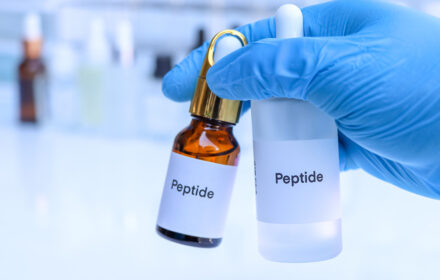

Presently, the global healthcare sector is undergoing a significant paradigm shift from traditional, population-based treatments to tailored, targeted patient management models. The Future of Peptides in Precision Medicine Research is at a perfect vantage point for this momentous paradigm shift. Serious scientists and medical researchers are painstakingly investigating the many ways that peptides can truly scale specialized therapeutic approaches, drastically lower unwanted and possibly toxic side effects, and offer wide-ranging perspectives and natural support measures based squarely on a person’s highly individualized biology. Although peptide research is perhaps one of the fastest-moving fields in medical science and continues to evolve daily, it has already paved many well-illuminated roads into truly exciting avenues of exploration with implications for critical areas of medicine, including whole cancer biology or therapy, complicated metabolic disorder management, revolutionary regenerative medicine approaches, and difficult autoimmune disease drug target discovery efforts. Because of the rapid, evolutionarily supported development of modern phage display technology, well-designed peptides are predicted to continue playing an essential role in developing much safer and more efficient therapeutics with greater specificity.
What Is Precision Medicine?
Precision medicine is a type of care that leverages the unique and individualized molecular profile, environmental exposures, lifestyle factors, and physiology available. It addresses the common issue where patients often have too little or no knowledge when developing suitable treatment plans.
Essentially, instead of indiscriminately doling out the same standardized medication to countless patients who all present with the same broad medical problem (if such exists), precision medicine is about identifying what treatment protocol should be given, and how, for each unique individual that walks into your office.
This highly personalized, targeted approach to medical care can significantly assist in:
- Significantly enhancing the overall effectiveness and efficiency of prescribed treatment regimens
- Reducing frequent and often disabling adverse side effects
- Detecting debilitating diseases proactively, much earlier, and at a significantly more manageable state
- Supporting proactive, preventive healthcare initiatives and strategies
- Greatly enhancing long-term health progressions and definitive clinical outcomes for patients
In this ultra-specialist context, peptides of distinct molecular structures have swiftly emerged as extraordinarily valuable and desirable research tools to harness because they naturally bind only at very specific biological targets located deep within the complex physiological systems in our body.
How Peptides Are Poised to Impact the Future of Precision Medicine Research
Peptides are, at the very root of their being: short (often much less than 50 amino acids), structurally simple polymers or chains composed only of naturally occurring α-amino acid residues that spontaneously and effortlessly engage in complex interactions across several biologically important functions. Researchers even have the sophisticated skill to strategically design or systematically engineer synthetic peptides specifically to replicate, compete with, mimic, or interfere in some other way with these extremely vital natural biological functions.
This unusual and attractive structural talent endows customized peptides with uniquely appealing, highly actionable discovery candidate qualities for large-scale precision medicine studies; largely due to their repeatedly demonstrable ability to provide far greater target specificity than many of the traditional small-molecule pharmaceutical drugs currently in broadest use.
This broad spectrum of potential research benefits offered by these compounds includes:
- Directionally enhanced and remarkably precise targeting to particular, sickness-related cellular components
- Enabling dramatically improved, more accurate interactions with complex biological receptors
- Infinitesimal risk of impingement on uncertain, adjacent normal tissue further and distant to clinically evocative stimuli
- A type of molecular design process that is, by its nature, highly amenable to specific structural variation
- An unprecedented, almost infinite potential for the careful design of highly personalized therapeutic approaches
Although serious scientific investigation and large Phase 3 clinical trials are underway without abatement, many top medical authorities believe that the most advanced peptides may ultimately facilitate bridging the gulf between fundamental genomics profiling and effective delivery by personalized disease treatment protocols.
Overview of Peptide Therapeutics for the Prospect of Personalized Medicine
Targeted Drug Delivery
Certainly, one of the greatest and most idealistic aims in modern peptide medicinal chemistry is the delivery of effective therapeutic agents directly to tissues in physiological need.
Serious researchers are carefully designing individualized peptides that can now give unprecedented accuracy in identifying very specific cellular receptors, enabling essential therapeutic compounds to only hit fully defined biological tissues and avoiding unwanted chemical exposure to other unrelated areas of the human body.
The most open-ended ones are currently being thoroughly researched by the scientific community:
- Extremely advanced tumor-seeking peptides that are developed to home in on malignant tumors
- Brain-targeting delivery systems engineered to properly target complex neural circuits
- Complex devices aimed exclusively at precision cardiac tissue targeting
- Precise profiling and polarization of immune cell targeting methods to orchestrate balance in a refined manner
This very selective and finely tuned method might significantly enhance the therapeutic activity of a particular treatment, all while reducing the incidence of unwanted physiological consequences that may be harmful.
Biomarker-Guided Treatments
The ongoing transformation of modern health systems and diagnostic protocols increasingly incorporates a class of distinctly measurable biological indicators, referred to as biomarkers, that unequivocally reveal critical underlying information related to the presence or progression of some disease state.
These critical biomarkers are also unique proteins, which means that peptides could be intelligently designed and structure-optimized to interact with them seamlessly; thus, assisting biomedical researchers dedicatedly to:
- Precisely detect the discrete activity of degenerative diseases much earlier
- Timely and precise tracking of a patient’s energy balance dynamics after treatment administration
- Greatly enhancing the careful procedure of individual choice over years of strenuous scientific research
- Deeply personalized and highly tailored decisions of ongoing therapy as well as emerging medical interventions
The wide field of biomarker research is quickly developing and adapting to new technologies; peptide-based innovative methods may be more essential in the clinical area or indispensable for scientific applications.
Innovative Areas That Peptides Are Overhauling
Cancer Research
One of the most active and closely examined areas in which peptide therapeutics are historically implemented is the highly challenging domain that involves combating cancer.
Medical researchers are busily investigating many very specific peptides for use in:
- Highly selective, targeted delivery of potent antineoplastic agents
- Utilization of sophisticated, high-definition cancer diagnostic imaging techniques and methodologies
- Highly precise early detection of malignant tumors
- The complex, delicately finely-tuned activation of the human immune system
Although numerous well-studied peptide-based therapies have already ultimately made it to active clinical usage, a plethora of others are still undergoing rigorous scientific evaluation and/or scholarly investigation.
Metabolic Disorders
Renowned scientists and clinical researchers have investigated extremely specific peptides which strongly affect the vital hormones intimately engaged in:
- Careful control and stabilization of blood sugar levels
- Exploring the detailed biological mechanisms regulating appetite and satiation
- The mechanisms of cellular energy metabolism are highly complex and multifaceted
- The complete, lifelong management of normal human weight
These large, high-resolution scientific studies could ultimately play an extremely important role in the future design of life-changing therapies for a myriad of chronic metabolic disorders.
Neurological Disorders
Historically, successfully navigating one of the most highly selective and notoriously difficult-to-target body barriers – the blood-brain barrier (BBB) – has always been a monumental challenge.
Currently, visionary scientists are creating next-generation synthetic peptides that may revolutionize the transport of essential drug molecules from blood to brain in order to assist and promote future realization of therapeutic agents targeting a broad range of challenging pathologies across diverse neurological disorders.
Regenerative Medicine
Furthermore, multifaceted peptides are being extensively studied for their very important role in delivering structural tissue repair and optimizing the regulatory mechanisms of crucial cellular signaling pathways among many other domains.
At present, the intensive areas of scientific research include key issues that involve:
- Accelerated, exceptionally enhanced recovery of physical damage to the system
- Contributing to the complexity of biological mechanisms for bone regeneration and strengthening
- The repair and reconstruction of aging muscle tissues
- The interdependent, very complicated mechanisms of cellular skin recovery
So, while these initial results are not just promising but extremely encouraging, much of this revolutionary scientific work is still in the research and development stages.
From Science to Treatment: Process of Developing Peptide-based Therapy
The development of highly effective peptide therapeutics is a product of many steps that are controlled, regulated, and executed in sequence.
Stage 1: Target the Biology
As a prerequisite, dedicated researchers must first determine with absolute precision exactly which specific biological receptor, complex protein structure, or cellular signaling pathway they ultimately intend to successfully influence or modulate.
Step 2: Design the Peptide
After successful identification, highly qualified scientists carefully design and engineer the structure of such a peptide sequence in detail for it to perfectly interact with the biological target previously set.
Step 3: Laboratory Testing
The newly synthesized peptide is then subjected to extensive, highly rigorous laboratory evaluation and investigation to fully evaluate significant aspects such as:
Overall structural stability and chemical resistance
Binding loci and their native receptor affinity
Extensive safety features and a non-toxic profile
Over a range of concentrations, the measure quantifies its total biological activity and, if applicable, its physiological efficacy
Step 4: Optimization
From initial studies, diligent scientists tweak and spatially make structural changes to the selected peptide specifically so as to drastically improve it.
Biological half-life and duration of action in the body
Its very specific targeting and cellular accuracy
Its overall efficiency in delivery and systemic distribution
Manufacturing consistency and production reliability
Step 5: Clinical Evaluation
Should the well-controlled laboratory studies and preclinical trials be extremely successful, further human clinical research may advance to late phase for some of these most promising peptide candidates only under fully defined regulatory approval by governing medical authorities.
Peptide drug development challenges (as of October 2023)
Though they have clinical potential and great therapeutic promise, advanced peptide therapeutics still harbor some significant, highly complex scientific/logistical barriers to their development.
Some of the most common and frequently encountered challenges are:
A significantly short biological half-life, limiting constant degradation of physiology
Severe delivery restrictions and complicated system-wide distribution challenges
High manufacturing costs related to complex synthetic production
(Your training data goes up to October 2023 for this topic.)
Extremely complex, highly demanding, and often time-consuming regulatory approval routes
Fortunately, extremely fast-paced advancements in the fields of peptide engineering, novel formulation technologies, and ultra-high-tech systemic delivery systems continue to relentlessly tackle these urgent developmental challenges with measurable success.
Researcher Insights: Why Researchers Are Optimistic
The leading scientific experts and medical professionals do not doubt that ultra-high-multifunctional peptides constitute a critical, core element in the advanced personalized medicine of tomorrow.
Three major, fast-moving business trends make a compelling evidence base for and continually reinforce the broad-based enthusiasm of optimism:
Novel, advanced metabolic technologies for accurate peptide synthesis
Much improved, advanced computer models employed to build complex drug designs
Novel, extraordinarily ambitious breakthroughs in AI-driven molecular discovery and structural design
An expanding, profound specialty in complex human genetics and molecular markers of biology
The dynamic, broad expansion and ongoing evolution of in-depth biomarker investigation
In perfect synergy, these game-changing technological advances are fast-tracking clinical peptide research and greatly assisting committed medical researchers in their quest to successfully produce ever-more specific, brilliantly targeted, and extraordinarily potent therapeutic candidates.
It is also certainly the case that peptides are, by no means, a panacea for all clinically applicable variables across every single human pathology known to man; however, their marvelous structural plasticity and distinctive biological specificity do further mark them as perhaps one of the most compelling, continuously growing programs anywhere within modern biomedical research.
Top Guidelines for Research Organizations Dealing with Peptides
Even professional research organizations and dedicated scientific institutions performing active peptide-based research need to maintain the highest quality standards of chemical processes.
Best industry practices—What the experts here recommend & what you are trained on (data until Oct 2023):
Only acquire all peptides from reliable, fully validated commercial synthetic manufacturers.
Conduct a thorough and diligent review of complete Certificates of Analysis (COAs) to verify the absolute purity for all materials.
Store all purchased peptides according to the specific, manufacturer-recommended conditions.
Keep extremely well-detailed, very complete, and completely transparent research notes & lab notebooks.
Compulsory compliance with top-down institutional measures and general governmental measures.
Use fully validated, highly standardized laboratory methods and analytical procedures whenever physically possible.
Implementation of extremely robust, incredibly rigorous quality control protocols is so beneficial in increasing experimental reproducibility and substantially improving the essential reliability with which useful scientific research can be implemented.
Looking Ahead
Absolutely, the Future of Peptides in Precision Medicine Research continues to be a dynamic force within the formative years and indeed days that define this entirely new era – the highly transformative field – of intimately personalized, hyper-customized human clinical care. Extremely flexible peptides are enabling a shift towards an advanced system of healthcare that delivers the most precise therapeutic interventions, fully supporting essential biomarker-driven clinical decisions, as well as pushing forward innovative pharmaceutical drug development to ensure progressive research scientists have everything they need at their disposal.
While there remain many very significant, extremely challenging scientific and regulatory hurdles well ahead of us (that are undeniably daunting!), the fast pace of current progress in precision medicine research, advanced peptide therapeutics, and synthesis suggests an excitingly bright future for this low-cost and high-reward rapidly growing area within modern biomedicine.
However, if your particular professional organization or respected scientific institution is delving into the limitless realms of advanced peptide-based research at this moment in time, selecting to collaborate with exceptionally experienced and incredibly well-informed synthetic peptide manufacturers, whilst ensuring strict adherence to only the highest possible quality standards, can quite literally go a long way toward equipping you comprehensively for achieving undeniably dependable yet entirely reproducible scientific results. So, what are you waiting for? Contact your fully vetted (at the highest levels), but very professional peptide research supply agent today and learn a whole heck of an awful lot more about sourcing only super-high-quality types of Research Peptides—AND obtain full analytical support so that all can go 100% well with regards to successfully getting done your next major scientific task!
Frequently Asked Questions
Future of Peptides in Precision Medicine Research
The proposition of advanced peptides in precision medicine research centers on the future development of ultra-specific and highly accurate therapeutic interventions that correspond to a patient’s individual human biological agent or genetic profile specificity descriptor (which may characterize the potential underlying molecular interconnectivity). Excited scientists are working on a nearly endless number of promising medical uses in key areas like whole-body cancer care, management of difficult-to-handle metabolic diseases, and even far-reaching applications that fall under the umbrella of regenerative medicine.
Why are peptide therapeutics important?
Because they cannot only target but also recruit extraordinarily specific biological targets contained within our own bodies, sophisticated peptide therapeutics are one of the most vital fields of study as we pursue advances towards truly personalized medicine that likely incurs far fewer undesirable and unwanted off-target side effects secondary to their treatment than many traditional pharmaceutical drugs used in widespread clinical practice.
What role do peptides play in personalized medicine?
Ultra-specific peptides may allow medical professionals to accurately identify key biological biomarkers, deliver highly effective pharmacological components with orders of magnitude more anatomical precision than current methods permit, while concomitantly enhancing the careful and complex workflow for selecting which treatment is most appropriate based solely on an individual patient’s unique genetic composition and phenotype.
Are peptide-based therapies currently available?
Yes, they are indeed available. Many extremely particular, fully validated peptide technologies already have complete regulatory approval for narrow therapeutic areas, while many thousands more promising peptides are still completely buried in the rigorous bracket of active clinical and preclinical research.
What are the challenges of developing peptide drugs?
Prolific scientists are working tirelessly to advance system applications, increase hits for peptide chemical stability over time and systemic delivery systems, broaden access to efficient manufacture with scalability in mind, including comprehensive molecular design – the aspirations are lofty but not impossible.
What are the fields in which peptide research is beneficial?
The broad area of advanced peptide science strongly underpins and fully services a diversity of key sectors, including next-generation drug delivery processes, state-of-the-art biomedicine tools, super-accurate diagnostic assays to detect specific diseases/biomarkers at an early stage with absolute accuracy in vivo/in vitro; cutting-edge regenerative medicine viability exploration studies focused on replacement & restoration alternatives for damaged tissue/organs; ongoing deep-scale cancer research initiatives exploring most promising therapeutics against many cancers —alongside high-throughput metabolic disease investigation programs assessing targets through single-cell resolution approaches— complimented by population-genomic level precision-driven therapeutic workflows addressing unique patient needs across large cohorts.